If you use the free version of ChatGPT, you may start seeing sponsored product cards under some of its answers. OpenAI has been rolling out ads inside ChatGPT this year, and they are now a normal part of the free experience for many US users.
The Gist
- ChatGPT now shows ads to logged-in adults in the US on the free and Go plans.
- The first format is a shopping card that appears under the answer when you ask about products.
- Each ad has a “Sponsored” label and sits separate from ChatGPT’s real reply.
- Paid plans like Plus and Pro still show no ads at all.
Have ChatGPT Recap This Article
ChatGPTWhat the ads actually look like
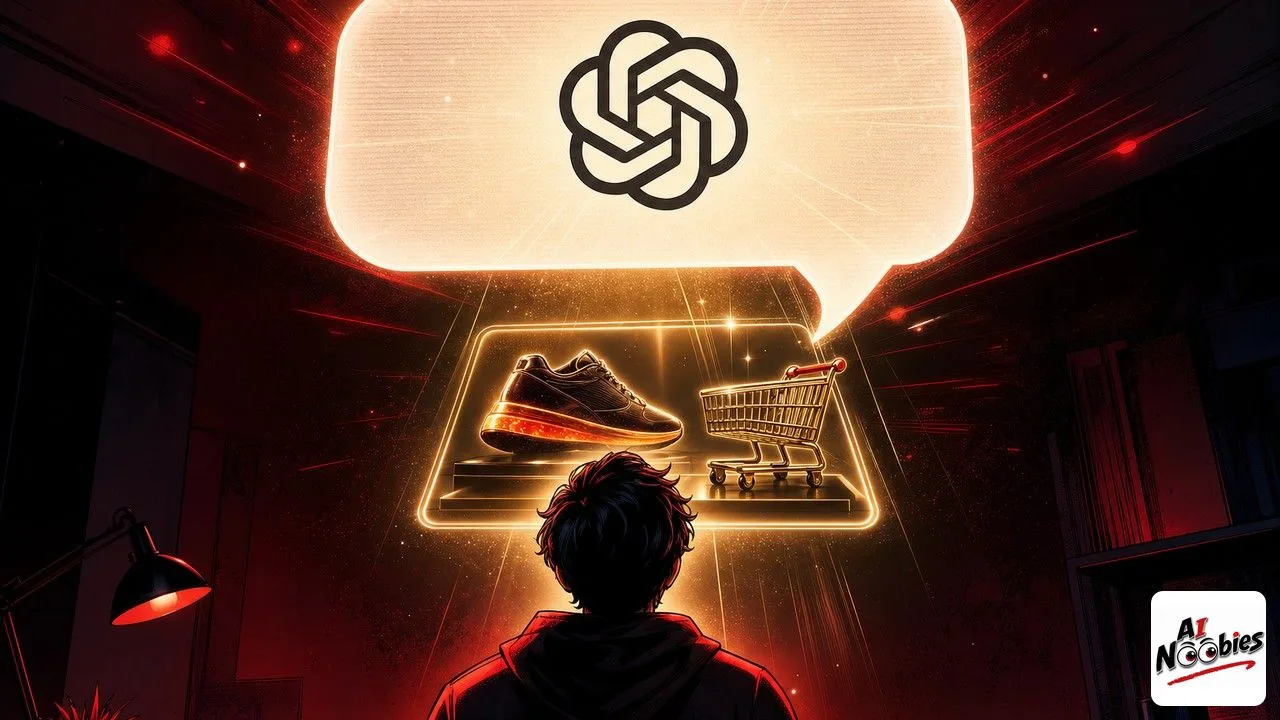
The first ads are shopping cards. When you ask ChatGPT about something you might buy, a small product card can appear below its answer, showing a brand logo, a product name, a price, whether it is in stock, and a delivery estimate.
Every card carries a “Sponsored” label and is kept visually separate from the reply itself. The goal is that you can tell what is ChatGPT talking and what is a company paying to be seen.
If you are still choosing your first chatbot, this is worth weighing. It sits alongside the other trade-offs in the free AI chats a beginner should start with, because a free plan now comes with ads attached.
Who sees them, and who does not
Right now the ads show up only for logged-in adults in the United States on the free tier and on the Go plan, which costs eight dollars a month.
If you pay for Plus, Pro, Business, Enterprise, or Education, you see no ads. That split is the whole point. The paid plans stay clean, and the free one carries the advertising.
The ads are also contextual. That just means each one is picked based on what you are chatting about, plus your rough location and language, rather than a deep profile built from your whole history.
Keep learning on AI Noobies:
- Meta AI Ad Plays a Song About the End of the World
- Claude Cowork Can Now Learn a Task by Watching You
- Anthropic Pays Authors $3,000 per Pirated Book
Why OpenAI changed its mind
This is a real change of heart. OpenAI’s own CEO once called putting ads in ChatGPT a last resort and worried they could chip away at people’s trust, so seeing them arrive is a notable reversal.
The reason is money. Running ChatGPT for hundreds of millions of people is staggeringly expensive, a cost we put in perspective when OpenAI’s spending hit 34 billion dollars.
Ads are one way to keep a free plan free without OpenAI covering the whole bill itself. It is the same trade the rest of the internet made long ago, now arriving inside a chatbot.
What it means for you day to day
For you, the practical effect is small but worth knowing. When a product card appears, treat it like any other ad, useful sometimes, but placed there because someone paid, not because it is the single best answer.
The habit that protects you is the same one that makes you better at these tools in general. Read the answer, notice the label, and keep asking follow-up questions, the exact reflex we cover in the common ChatGPT mistakes beginners make.
It also pays to notice when a question turns into a shopping moment. If a card nudges you toward a purchase, that is a fine time to slow down and compare, exactly as you would with a search result.
None of this breaks ChatGPT. It just means the free version now looks a little more like the rest of the internet, where a clearly marked ad sits next to the thing you actually came for.
Stay tuned on AI Noobies.
About the Author