Anthropic confirmed it is building a tool that lets anyone test a text against the Claude watermark, an invisible mark the model already leaves in everything it writes. If you have ever wondered whether a message, an essay or a job application was typed by a person or generated in a chat window, this is the first serious attempt to give you an answer.
The Gist
- Claude already hides a signal in the words it picks, and you cannot see it.
- Anthropic is opening a detection tool so outsiders can test a text themselves.
- The mark carries nothing that could identify you or your account.
- It breaks on short texts, on code, and on anything heavily rewritten.
Have ChatGPT Recap This Article
ChatGPTMeet the invisible mark now sitting inside Claude’s writing
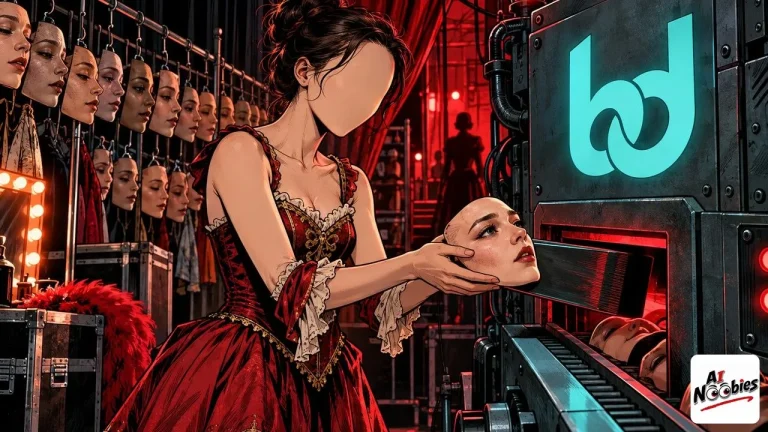
Every time an AI chat writes a sentence, it makes hundreds of tiny choices that could have gone either way. Say the model wants to describe a busy morning: it can pick hectic, packed or frantic, and all three work. Those low stakes moments are where the Claude watermark lives.
Instead of picking randomly, the model now leans on a secret key to steer those coin flips into a pattern. The words still look random to you. They are consistent enough, across a long enough text, for a checking tool to recognise the fingerprint of the model that produced them.
Anthropic said the method leaves the writing untouched, and its internal testing found no effect on the content, the creativity or the readability of what Claude produces. The same approach was trialled on Gemini by Google’s AI lab, where user ratings showed no statistically significant difference between marked and unmarked answers.
None of this appeared out of nowhere. Europe has spent the past year pushing AI companies to label what their tools generate, and the rules that already force chatbots to admit they are not human are the same ones pulling watermarks into every major model. Anthropic signed the related code of practice in July 2026, alongside roughly 190 other companies.
How a hidden signal survives inside ordinary sentences
The technique is not an Anthropic invention. It is a variant of a method published by Google’s AI lab in a scientific journal in 2024, itself built on an idea floated by a researcher back in 2022. Anthropic walked through the mechanics in its own explanation of how the mark works, and the short version is that randomness stops being truly random.
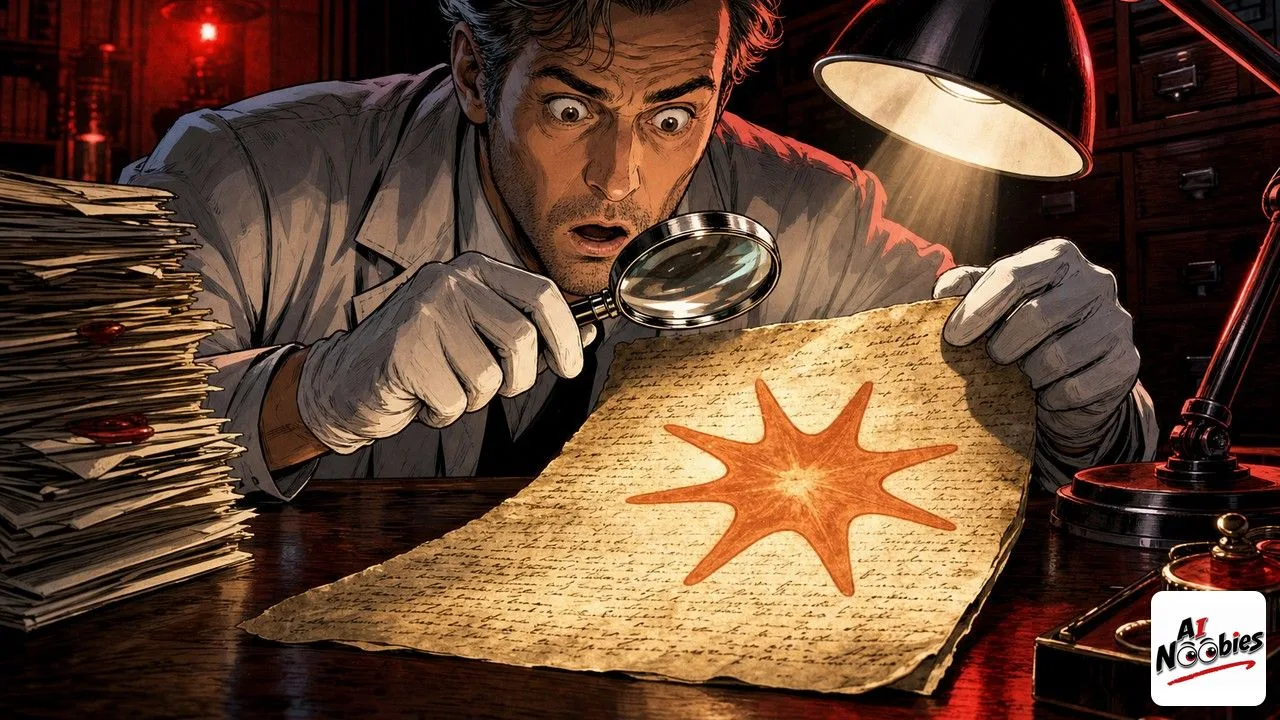
A cryptographic key plus the words already written decide which of the equally valid options comes next. Run that across a few hundred words and you get a statistical signature. A checker does not read your text for meaning, it measures whether the word choices line up with what Claude would have done.
This is a different beast from the AI detectors teachers and recruiters have been using for two years. Those tools guess from style, from rhythm, from how polished a paragraph feels, and they get it wrong often enough to ruin someone’s week. A watermark check does not guess about style at all, which is why Anthropic frames it as more reliable in practice.
The direction of travel is familiar if you follow music and video platforms, where AI acts are about to get a visible badge on their profiles. Text was the last format left without a workable label, mostly because words are far harder to mark than pixels or audio.
Keep learning on AI Noobies:
- ChatGPT for Linux Finally Gets Its Own App
- Spotify Will Tag AI Persona Artists in September
- Prompt Injection: How Hidden Text Tricks Your AI
What the check can prove, and where it falls apart
Start with the reassuring part. The watermark carries no identifying information whatsoever, and it cannot be traced back to a person, an organisation or a specific chat. It tells you a model was involved. It tells you nothing about who was sitting at the keyboard.
Now the limits, and there are several. The check cannot separate written by Claude from heavily edited by Claude, so a paragraph you drafted yourself and then asked the model to polish may come back flagged. It needs a decent amount of text to work, which rules out a two line message.
It also thins out exactly where word choice is constrained. A factual passage with numbers and names offers few alternative phrasings, so there is barely anywhere to hide a signal. Code is worse still, because syntax demands specific tokens and creative substitution is not an option.
And a full rewrite wipes it. Anyone determined to pass off machine writing as their own can run the text through a second tool, or simply retype it in their own words, and the trace disappears. That matters because AI drafted posts already flood LinkedIn and X, and the people flooding them are precisely the ones most motivated to strip a mark.
How to try a check for yourself once the tool opens
Nothing is callable yet. Anthropic has confirmed a detection tool is coming and has not published pricing, access tiers or a date, so treat the next few weeks as a waiting room rather than a launch.
Coverage is worth knowing in advance. Future Claude models ship with the mark built in, while older ones released before August 2026 fall under a European transition period and get it over the coming months. So a text produced last spring may well come back clean simply because the model behind it was never marked.
The rollout is global. There is no technical way to switch watermarking on for European users and off everywhere else, so a rule written in Brussels ends up shaping what a model does in Ohio or Osaka. Expect that argument to surface in the wider debate about who gets to set AI standards.
In the meantime, the useful habit is a mental one. When a text lands in your inbox and something feels off, remember that a Claude watermark result would only ever be one clue among several, never a verdict. The tools that claim certainty today are the ones worth trusting least.
Stay tuned on AI Noobies.
About the Author